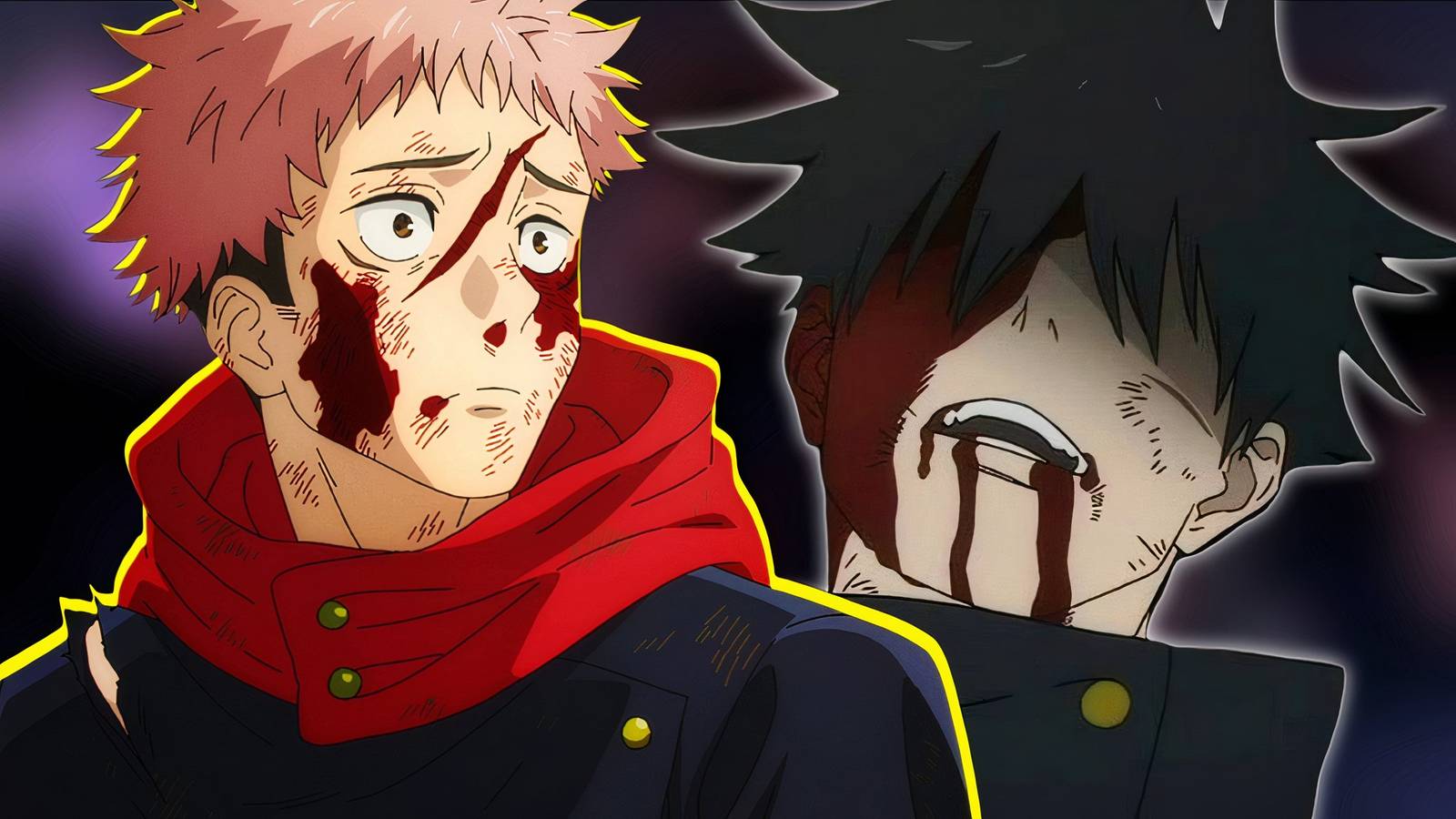
Is Megumi Dead? JJK Modulo’s Subtle Confirmation of Fushiguro’s Fate
For fans deeply invested in the world of Jujutsu Kaisen, few questions burn hotter than the fate of its beloved characters. Following the emotionally charged events of the original series, the official sequel, Jujutsu Kaisen Modulo, plunged readers 68 years into the future. While it offered glimpses into the lives of some surviving sorcerers, it also delivered a harsh, albeit indirect, verdict on one of the series’ most pivotal figures: Megumi Fushiguro. The resounding answer to the question, Is Megumi Dead in JJK Modulo? is a tragic, yet undeniable, yes.
Despite never explicitly showcasing his death on panel, the 25 chapters of JJK Modulo meticulously weave a narrative of absence, shared grief, and unspoken truths that leave no doubt about Megumi’s ultimate demise. This article delves deep into the compelling evidence, exploring how Modulo masterfully uses subtlety to confirm the tragic fate of Yuji Itadori’s closest friend and rival.
The Definitive Answer: Is Megumi Dead in JJK Modulo? Yes, Indirectly Confirmed
To cut straight to the chase for anxious fans: yes, Megumi Fushiguro is confirmed dead during the events of Jujutsu Kaisen Modulo. This isn't speculation or fan theory; it's the indirect, yet conclusive, pronouncement from the official sequel series. Set nearly seven decades after the original story, Modulo served as a poignant epilogue, exploring a world irrevocably changed by the climactic Shinjuku Showdown. While many hoped for a miraculous return or a glimpse of an older, wiser Megumi, the series chose a more somber and realistic path, acknowledging the high cost of the final war.
The method of confirmation is what truly distinguishes Modulo's approach. Instead of a dramatic death scene, the series relies on a powerful narrative technique: absence. Megumi’s complete omission from a future where his closest friends, Yuji Itadori and Nobara Kugisaki, reunite speaks volumes. This strategic narrative choice amplifies the emotional weight, leaving readers to grapple with the implications of his disappearance rather than witnessing a direct, often sensationalized, demise. It’s a testament to authorial skill that such a significant plot point can be conveyed with such profound impact through what isn't shown.
For those who followed the original Jujutsu Kaisen popularity rankings, Megumi's status as one of the most beloved and complex characters makes this revelation particularly heartbreaking. His journey from a stoic prodigy to a sorcerer wrestling with immense inherited power captivated audiences, making his absence in Modulo a palpable void felt by both the characters within the story and its dedicated readership.
Unpacking the Indirect Confirmation: Absence, Silence, and Character Reactions
The core of JJK Modulo's confirmation of Megumi's death lies in a tapestry woven from his complete absence and the profound reactions of the surviving cast. When Yuji Itadori, now an older and more seasoned sorcerer, finally reunites with a miraculously recovered Nobara Kugisaki, their interactions carry the heavy burden of shared loss. The fact that neither character explicitly mentions Megumi by name, or even indirectly references his active presence, is perhaps the strongest piece of evidence.
The Power of Unspoken Words
- Complete Absence: Unlike other major figures from the Zenin clan, such as Maki and even a flashback-induced Toji Fushiguro, Megumi himself is nowhere to be seen across Modulo's 25 chapters. This stark contrast underscores his definitive fate. If he were alive, even in hiding, it's highly improbable that he wouldn't be sought out or at least mentioned by his closest allies.
- Yuji and Nobara's Reunion: Their conversations, while focusing on the present and the new threats, are imbued with a melancholic undertone. The shared silence around Megumi's name isn't an oversight; it's a deliberate narrative choice. In Japanese storytelling, and particularly in Gege Akutami's style, what characters *do not say* often carries more weight and significance than explicit declarations. The unspoken grief between Yuji and Nobara for their fallen comrade paints a vivid picture of his non-existence in their present.
- Lack of Technique Reference: Beyond his personal absence, Megumi's powerful Ten Shadows Technique is never referenced as being active in this future timeline. Given its significance and potential, its complete disappearance from the world of Jujutsu Kaisen 68 years later further solidifies the notion that its wielder is no longer among the living. For a more detailed look into this timeline, consider reading Megumi Fushiguro's Fate: What JJK Modulo Revealed After 68 Years.
This method of storytelling requires readers to engage more deeply with the narrative, inferring truths from subtle cues and emotional subtext. It's a sophisticated way to handle a character's demise, honoring the gravity of the loss without resorting to gratuitous violence or exposition.
The Weight of 68 Years: JJK Modulo's Context and Revelations
Jujutsu Kaisen Modulo's setting 68 years in the future is crucial to understanding the finality of Megumi's death. This substantial time jump means that any hope of a quick recovery or a dramatic last-minute rescue from the Shinjuku Showdown is effectively quashed. The series portrays a world that has moved on, albeit one still bearing the scars of past conflicts. This context strengthens the impact of Megumi's absence; after nearly seven decades, if he were alive, his reappearance or at least a confirmed status would have been imperative to the narrative.
The 25-chapter series focuses on an older Yuji Itadori navigating a radically changed jujutsu world, now facing an alien race as antagonists. This shift in focus allows the narrative to acknowledge past losses as a settled matter, rather than an ongoing mystery. Characters like Nobara Kugisaki, whose fate was ambiguous after the Shibuya Incident, are definitively shown to have survived. Ui Ui and various supporting cast members also make appearances, creating a clear contrast with Megumi's complete non-presence.
The decision to confirm his death through implication rather than explicit detail aligns with the original series' often brutal and unflinching depiction of the consequences of jujutsu sorcery. It underscores the high stakes and the permanent damage inflicted by the conflicts Yuji and his friends fought. In a world where even the strongest can fall, Modulo reminds us that not everyone makes it to the distant future.
Decoding the Narrative Clues: Chapters 13 and 25
While the overall narrative arc of Modulo hints at Megumi's fate, specific chapters provide particularly strong, albeit indirect, confirmations:
- Chapter 13: The Echoes of Sacrifice
In chapter 13, the series establishes a grim death match with the alien antagonists. During this sequence, there are powerful references to past sacrifices and losses that weigh heavily on the surviving characters. The narrative framing here is critical: it treats these past losses as definitive and irreparable, and Megumi's absence falls squarely within this context. The story doesn't invite speculation about his return; rather, it subtly reinforces that he was among the fallen who paid the ultimate price. This framing removes any lingering ambiguity, positioning his fate as a tragic, yet accepted, part of history.
- Chapter 25: The Finality of Silence
Chapter 25, the concluding installment of JJK Modulo, offers the clearest indirect confirmation of Megumi's death. As the series draws to a close, a character's name often serves as a final bow or a hint towards future developments. While the context doesn't detail the exact circumstances, it reveals that Megumi's name does surface, but "not in the way we expected." This phrasing strongly suggests it's not a triumphant return or a revelation of his survival. Instead, it likely serves as a somber acknowledgment of his legacy, a remembrance, or a final, definitive closure on his role in the world. This mention, coupled with his consistent absence, solidifies the narrative's stance: Megumi is gone, and his story in the physical world of Jujutsu Kaisen has ended.
These narrative beats, especially the cumulative effect across 25 chapters, paint a coherent and heartbreaking picture. JJK Modulo doesn't need a flashback or a memorial scene to confirm Megumi Fushiguro's death; its entire structure is built around the echoing silence of his absence.
Conclusion: The Poignant End of a Prodigy
The question, Is Megumi Dead, is unequivocally answered by Jujutsu Kaisen Modulo. While the series skillfully avoids a direct depiction, the indirect evidence is overwhelming and conclusive. From his complete absence throughout 25 chapters, to the poignant silence shared between Yuji and Nobara, and the specific narrative cues in chapters 13 and 25, Modulo firmly establishes Megumi Fushiguro's demise. His fate is not a mystery to be solved, but a tragic reality that underpins the future world of Jujutsu Kaisen.
This narrative choice speaks volumes about the lasting consequences of the Shinjuku Showdown and the brutal nature of the jujutsu world. Megumi, a character of immense potential and fan affection, ultimately paid the highest price. His death, confirmed through such powerful subtlety, leaves a lasting impression, reminding us that even the most beloved heroes are not immune to the grim realities of battle. JJK Modulo, through its quiet yet profound confirmation, delivers a poignant and unforgettable end to a prodigy's journey.